
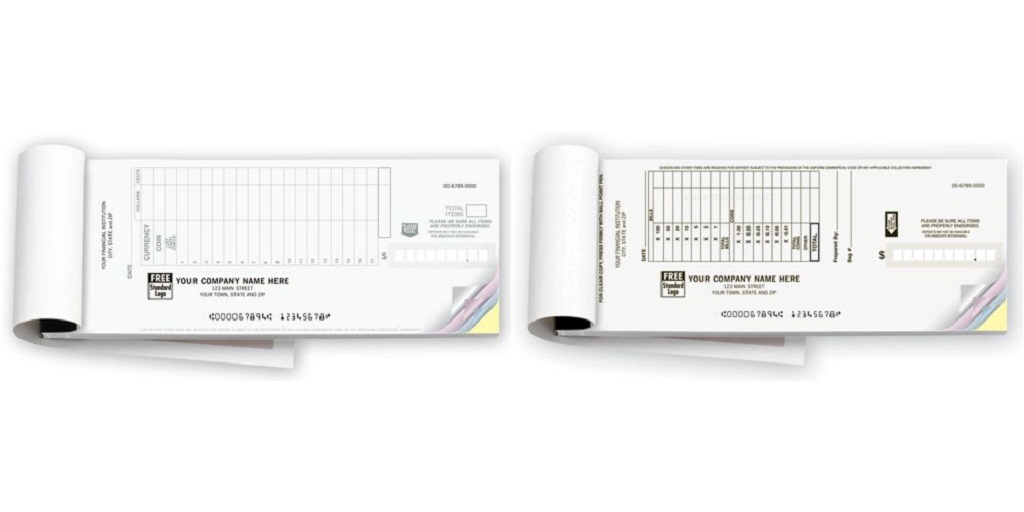
Small businesses deal with incoming payments in different ways. A neighborhood shop might collect cash and checks at the register, while a service company receives checks by mail. No matter what your payment process looks like, deposit slips provide a written record of funds submitted to your bank.
Build a Clear Record of Incoming Money
Accurate payment records make everyday bookkeeping easier. When you receive customer payments, record the amounts and connect them to the appropriate invoices or sales records. This gives you a reference when reviewing which transactions have been paid.
A deposit slip records the amount being deposited into an account. Depending on the form, it may include separate entries for checks and cash, along with a total. These details let you compare the submitted deposit with the payments you collected.
For a small business owner handling several responsibilities, a regular routine saves time during financial reviews. Instead of reconstructing a transaction weeks later, you can refer to the documentation created when you prepared the deposit.
Connect Deposits With Your Bookkeeping
Bank deposits represent one part of your accounting process. Your books should show where the money originated, which customer made the payment, and which invoice or sale it covers.
For example, imagine receiving three checks from customers who recently paid outstanding invoices. Record each payment in your accounting system, then verify that the combined amount is equal to the deposit total. When the bank statement arrives, compare the credited amount to your records.
This process helps you identify inconsistencies before they become harder to investigate. A missing payment entry, incorrect total, or duplicate bookkeeping transaction may become apparent during reconciliation.
Keep supporting documents organized by date or accounting period. Consistent filing makes it easier to locate invoices, payment records, and bank receipts when reviewing a particular transaction.
Prepare Deposits Around Your Business Schedule
Business owners have different banking routines depending on their opening hours, staffing, and transaction volume. Some prepare deposits daily, while others collect payments and visit the bank on a regular schedule.
Choose a routine that fits your business operations and your bank’s requirements. Set aside time to count cash, organize checks, complete the necessary paperwork, and verify the total. Include these tasks in your normal closing or accounting procedure.
Security deserves attention during preparation and transportation. Store cash and checks securely until you make the deposit. Limit access to authorized employees, and implement clear procedures for handling funds outside business hours.
If employees share responsibility for deposits, document the process. Everyone should know where completed paperwork belongs and how to report a discrepancy.
Keep Important Supplies Within Reach
Running out of banking forms can interrupt a routine that usually takes only a few minutes. Review your supply levels periodically and estimate how many forms your business uses during a typical month.
Your order quantity should reflect actual usage and available storage space. A business that deposits checks several times a week may need more supply than a company that receives occasional mailed payments.
Before purchasing forms, confirm that the format corresponds to your bank’s requirements. Check account details, layout, and any specifications your financial institution provides. Keeping compatible forms on hand makes deposit preparation more predictable.
Shop for Deposit Supplies Online
Ordering office supplies online lets you replenish essential paperwork without setting aside time for an in-person shopping trip. ABC Check Printing offers online purchasing for deposit slips, letting small businesses browse options and order the forms they need. This convenient option fits naturally into routine supply management.
For more information About Manual Business Checks and Printable Checks please visit: Abc Check Printing Corp.