
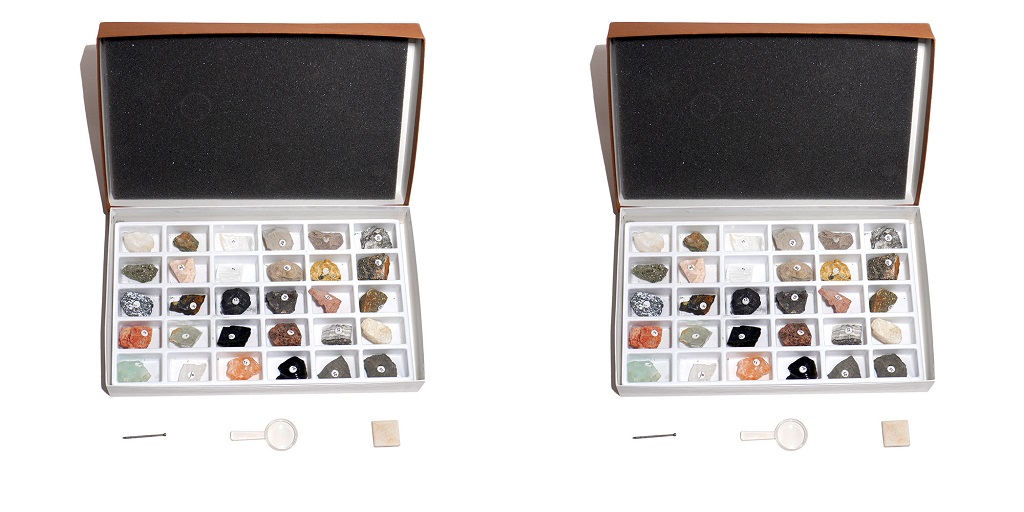
Have you ever noticed how children have an instinctive fascination with the ground? Whether at the park, in the backyard, or on a beach, there is almost always a “special” pebble that finds its way into their pocket. To an adult, it might just be gravel; to a child, it is a treasure.
Geology is essentially the science that tells the story of our planet through these treasures. Introducing a geology kit rocks collection into your child’s routine is a wonderful way to transform that natural curiosity into a lifelong foundation for scientific thinking.
Beyond Just Stones: Why Geology Matters for Kids
Studying rocks goes far beyond collecting pretty objects. When a child interacts with a geology kit, they are practicing essential STEM skills. First, there is classification: learning to differentiate between igneous rocks (formed from volcanic fire), sedimentary rocks (formed from layers of time), and metamorphic rocks (transformed by intense heat and pressure).
Geology teaches patience and observation. Sitting down with a magnifying glass to examine the tiny crystals of a specimen encourages a child to slow down and look at the world with depth. It is a tangible, tactile connection to millions of years of Earth’s history.
What to Look for in a Geology Kit
If you are looking to start this journey, it is important to know that not all sets are created equal. A high-quality geology kit is an educational set that should offer an authentic experience. Look for collections that include real, varied specimens, such as the metallic luster of pyrite (“fool’s gold”), the transparency of quartz, or the surprising lightness of pumice.
A great kit should be accompanied by functional tools: a magnifying glass that truly clarifies details and a well-illustrated identification guide.
Remember, the goal isn’t just to own the stones, but to have the information that allows your child to understand where they came from and why they are unique.
From Collector to Curator: Organizing a Home Museum
One of the most rewarding aspects of a geology kit rocks collection is learning how to display and preserve these natural wonders. Teaching your child how to organize their finds is a lesson in order and responsibility. Instead of keeping rocks in a messy pile, help them create a “Home Museum.”
- Labeling and Cataloging: Use small slips of paper or masking tape to number each specimen. Create a master list that includes the rock’s name, the date it was acquired, and its most striking feature.
- Creating a Display: Use a dedicated wooden box with compartments. This not only protects the softer minerals from being scratched but also allows the child to see their entire collection at a glance, making it easier to compare different textures and clusters.
- The Cleaning Station: While some rocks can be washed with a soft toothbrush and water, others (like halite or soft clays) might dissolve or break. Learning which minerals are water-sensitive is a great lesson in chemical properties.
Encouraging a Lifelong Scientific Curiosity
A geology kit is more than just a box of items; it is an invitation to explore. It is a launching pad for bigger adventures, such as visiting natural history museums or hiking through local parks to see rock formations in the wild.
This hobby helps your child see that science goes far beyond textbooks. It lives in every mountain, cliffside, and pebble they find.
At Home Science Tools, you’ll find rock kits with all the necessary equipment for teaching and exploring, including items for caring for and preserving your collection.
For more information about Telescope For Kids and Microscopes For Kids Please visit: Home Science Tools.