
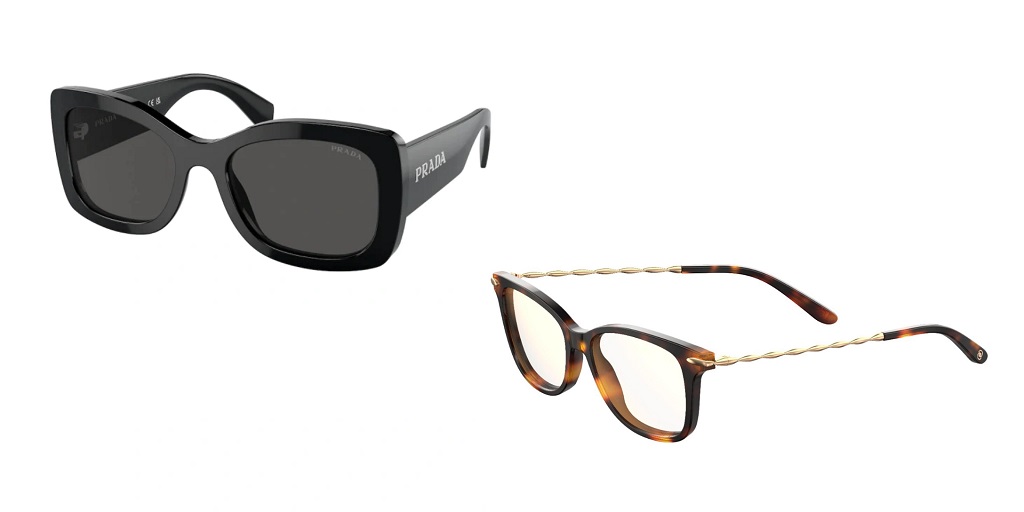
Sunglasses serve the twin purpose of protection and style. However, not all lenses function the same way. Many shoppers come across the term polarized sunglasses while exploring eyewear options and may wonder how these differ from regular sunglasses. Both eye wears provide eye protection and help reduce brightness. But, polarized lenses offer specific features that are exclusively designed to improve visual comfort in certain environments. Understanding these differences can help buyers choose the right type of eyewear that aligns with their lifestyle and outdoor activities.
How Regular Sunglasses Work
Regular sunglasses are primarily designed to reduce overall brightness and shield the eyes from harmful ultraviolet exposure. Lens tint darkens incoming light, which makes outdoor conditions feel more comfortable while also reducing squinting.
These sunglasses are available in various colors, lens materials, and fashion styles. Many offer UV protection that helps protect eye health during sun exposure. However, while regular sunglasses reduce light intensity, they may not fully address the glare caused by reflective surfaces.
Glare commonly occurs when sunlight reflects off roads, water, snow, glass, or metal surfaces. This reflected light can create discomfort and affect visibility temporarily.
What Makes Polarized Sunglasses Different
Polarized sunglasses include a specialized filter that is designed to reduce glare from reflective surfaces. Rather than simply darkening the field of vision, polarized lenses help in blocking horizontally reflected light that often causes visual discomfort.
In bright conditions, this glare reduction may create sharper contrast and clearer visibility. By wearing polarized sunglasses, many people notice improved comfort when they have to spend time near water, drive on sunny roads, or participate in outdoor activities.
Because of this specialized lens technology, polarized sunglasses are often opted for environments where reflected light becomes particularly intense.
Benefits of Polarized Sunglasses
One of the most popular benefits of polarized sunglasses is the enhanced visual comfort they assure. During prolonged outdoor exposure, reduced glare may help decrease eye strain and create a more relaxed viewing experience.
For example, driving is a common situation where polarized lenses can prove very helpful. Sunlight reflecting from pavement or nearby vehicles may become less distracting, which enables more comfortable vision. Outdoor recreation such as fishing, boating, hiking, and beach activities also encourages the use of polarized eyewear.
Some users also appreciate the improved clarity and color definition that polarized lenses may provide.
Situations Where Regular Sunglasses May Still Work Well
Despite the advantages of polarization, regular sunglasses continue to serve many practical purposes. It is important to understand that everyday errands, casual outdoor use, and fashion focused preferences may not always require glare filtering technology.
Certain digital displays and screens can occasionally appear differently through polarized lenses, which may influence personal preference depending on daily activities. Therefore, some shoppers evaluate both protection and lifestyle compatibility while they have to make a decision.
So, the best option depends on how and where the sunglasses will be used.
Take Away
By understanding the difference between polarized sunglasses and regular sunglasses, shoppers can make more informed eyewear choices. While regular sunglasses reduce brightness and provide important UV protection, polarized sunglasses add specialized glare reduction that may improve comfort and visibility in reflective outdoor environments. By considering lifestyle needs, visual comfort, and intended use, individuals can choose sunglasses that support both eye protection and everyday practicality.
For more information about Ray Ban Sunglasses Women and Sunglasses For Women Online Please visit: Global Eyes.